A roof leak after a brand new installation is frustrating and rare, but it happens. The good news is that most post-installation leaks come from a handful of preventable causes. Knowing what goes wrong helps you spot problems early and know what questions to ask your roofer before work starts. At Spartan Roof Construction, we've seen the mistakes that create leaks, and we've learned how to build roofs that stay dry.
Improper Flashing Installation
Flashing is the metal trim that channels water away from valleys, chimneys, vents, and wall intersections. It's the most common leak source after new installation. Flashing has to overlap in the right direction so water runs down and off, not under. The nails or screws have to be sealed with roofing cement, and the cement has to cure properly. If a crew rushes and skips the sealant or uses the wrong fasteners, water finds its way in within weeks. We install flashing with a clear sequence: proper overlap, correct fastener placement, and a full bead of sealant on every joint. It takes longer than cutting corners, but it's the difference between a roof that works and one that leaks.
Inadequate Ventilation or Attic Moisture
A new roof can trap moisture if your attic ventilation is blocked or undersized. Warm, humid air rises into the attic and hits the cold underside of the new roof. Condensation forms, and over time that moisture rots decking and causes stains that look like leaks. In Texas heat, attic temperatures can exceed 150 degrees. That temperature swing creates pressure and movement. If intake vents are clogged with insulation or if exhaust vents are missing or blocked, moisture builds up fast. Before we install a new roof, we check soffit and ridge vents. If they're blocked, we clear them. If they're undersized for the attic space, we recommend upgrades. A properly ventilated attic keeps the roof deck dry and extends the life of the shingles.
Shingle Defects and Installation Errors
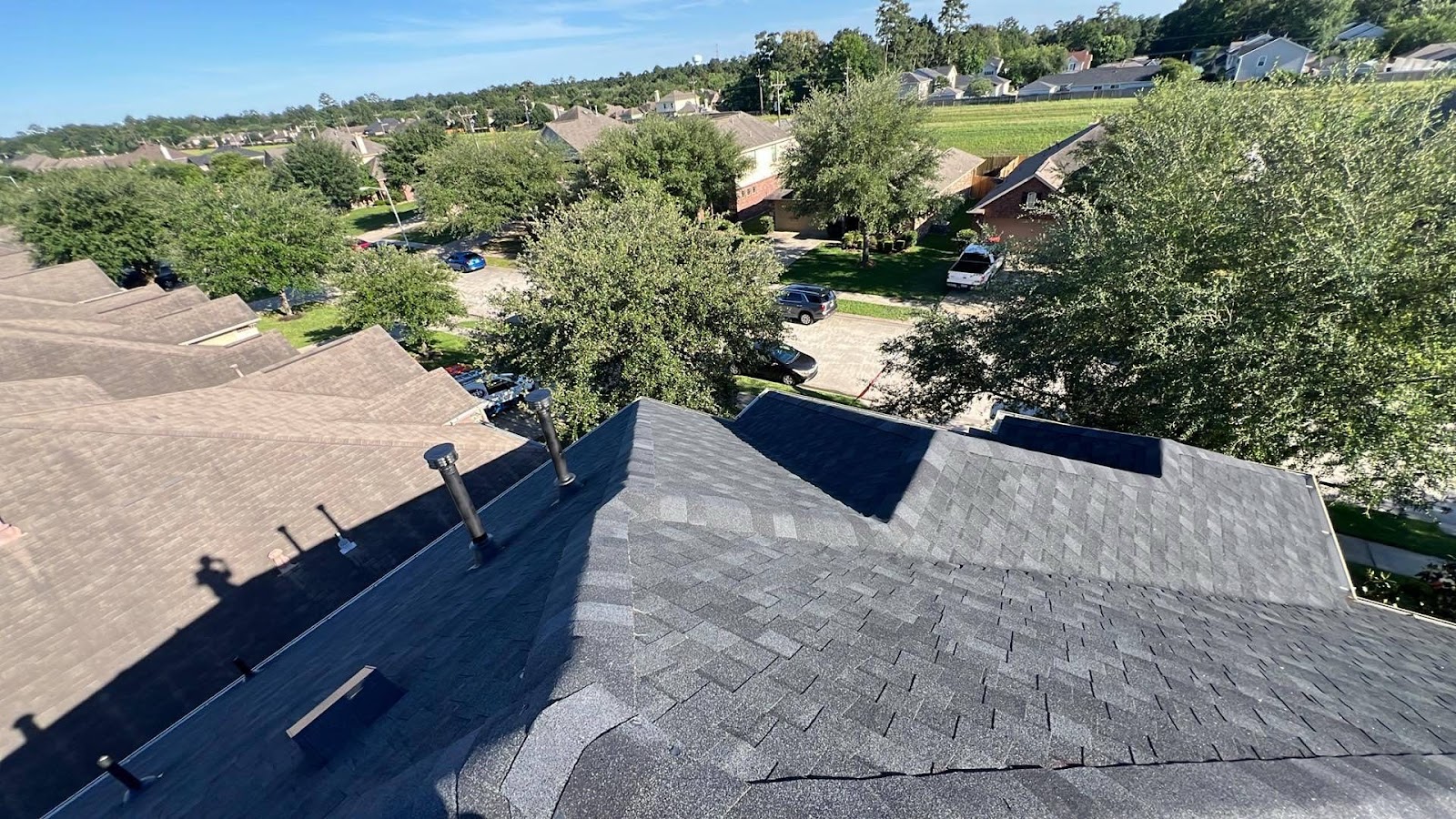
Shingles themselves can have manufacturing defects, though it's uncommon. More often, the problem is installation. Shingles need to be nailed at the correct height and angle. Too high or too low, and the nail misses the nailing strip and splits the shingle or lets water seep around it. Nails driven at an angle can puncture the shingle seal or miss the strip entirely. In windy Texas weather, a poorly nailed shingle lifts and lets water underneath. We use a pneumatic nailer set to the right depth and angle, and we train our crews on the exact nail placement for each shingle type. Bundles of shingles are numbered, and we install them in order to ensure color consistency and avoid mixing batches that might have subtle defects.
Poor Workmanship During Tearoff
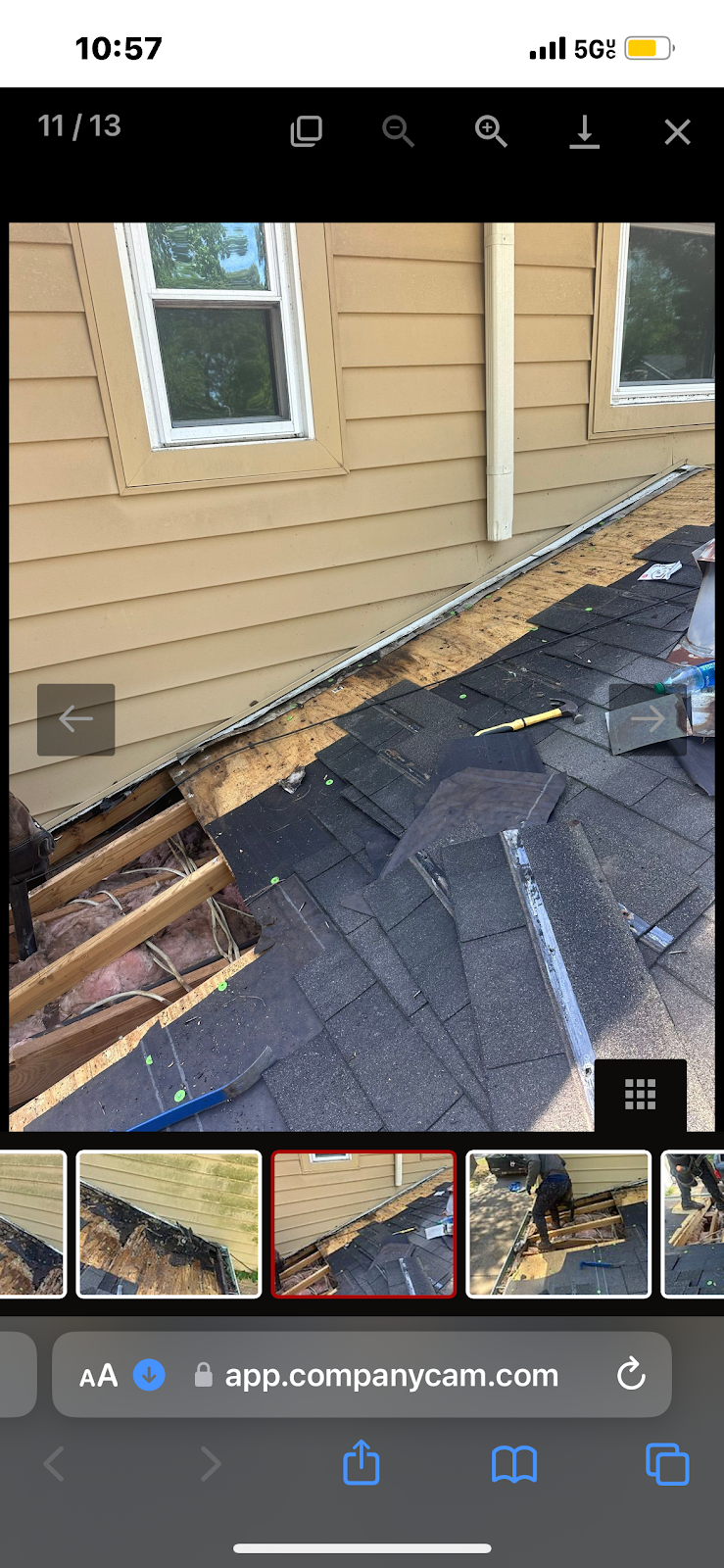
When we tear off an old roof, debris gets everywhere. Nails, staples, and wood fragments end up in gutters, under flashing, and in valleys. If that debris isn't cleaned out before the new roof goes down, it creates ridges and gaps under the new shingles. Water pools around the debris and finds cracks. We sweep and blow off the deck, check for loose boards or rot, and replace any damaged plywood before laying down the underlayment. The deck has to be clean and solid. That step takes time but it's non-negotiable.
Gutter and Drainage Problems
A roof leak isn't always the roof's fault. If gutters are clogged or undersized, water overflows and runs down the fascia. It pools at the foundation or seeps behind siding. From inside, it looks like the roof is leaking. In Texas, we get heavy rain in short periods, and gutters need to handle the volume. We recommend gutters cleaned twice a year and properly pitched toward downspouts. Downspouts should extend at least 4 to 6 feet from the foundation. If your old roof had gutter issues, a new roof won't fix them.
What to Ask Your Roofer
Before signing a contract, ask how the roofer handles flashing, ventilation checks, and deck inspection. Ask what warranty covers leaks and for how long. Ask whether they clean the deck before installation and whether they inspect attic ventilation. A roofer who answers these questions clearly and can explain the process is one who thinks about the details. Get references from recent jobs in your area. Texas weather is harsh, and a roofer with experience in your neighborhood knows the local challenges.
Spartan Roof Construction handles every step of a new installation with the goal of keeping water out. If you're planning a roof replacement or have questions about a leak, call us and we'll walk through what's causing it and what it takes to fix it right.