Texas roofs get hammered harder than roofs anywhere else in the country, and the reasons are straightforward. The heat cycles alone wear shingles out faster. You get brutal afternoon sun that bakes asphalt, then sudden temperature drops at night that make materials contract and crack. Add in the hail storms that roll through spring and early summer, the wind events that can tear shingles clean off, and the humidity that creeps under edges and promotes rot, and you've got a roof under constant assault. This isn't a complaint. It's just the reality of building and maintaining a home in Texas. The good news is that knowing why your roof fails faster means you can actually do something about it.
Heat and UV Damage Work Faster Here
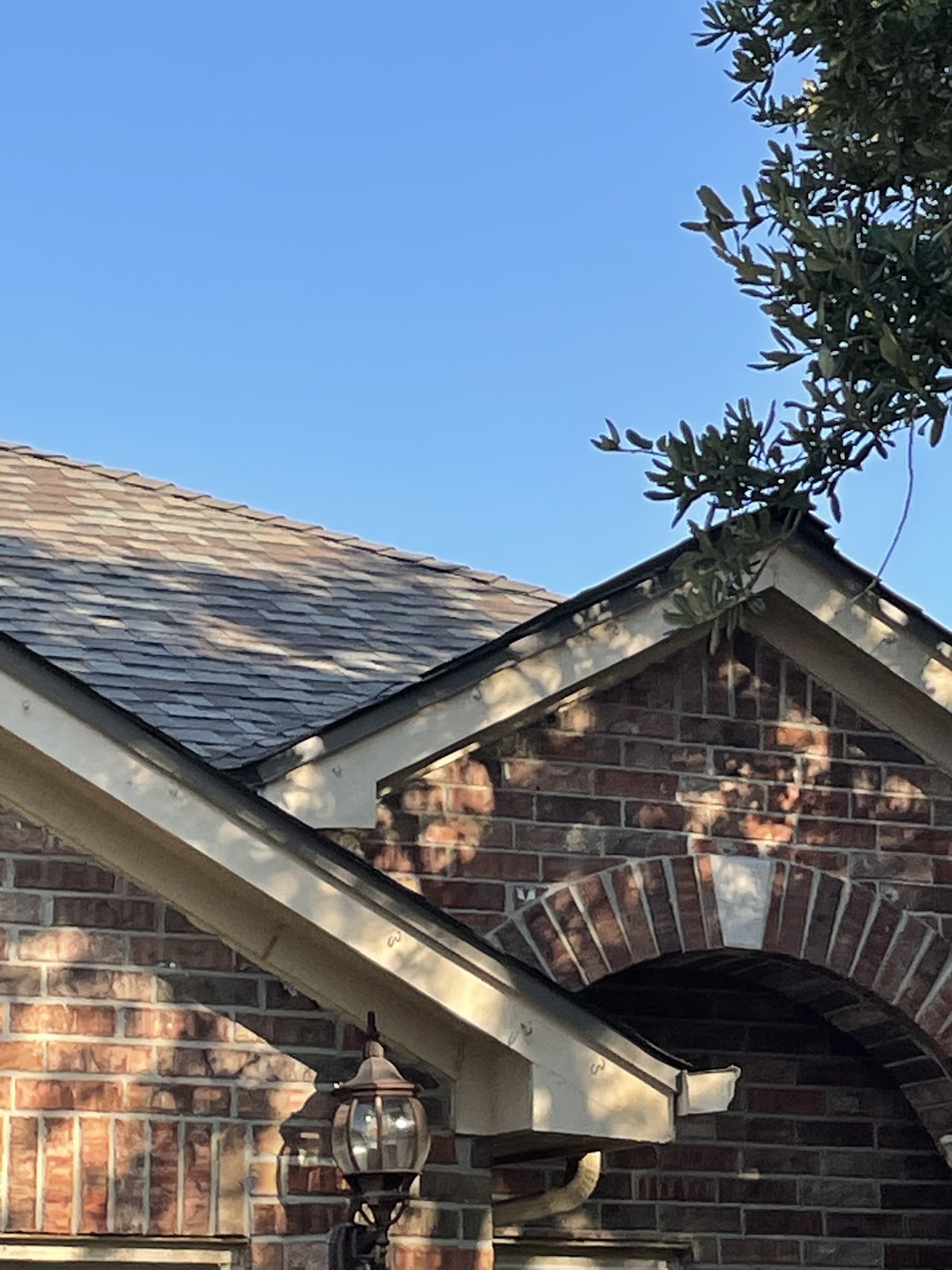
Texas sun is relentless. Asphalt shingles are designed to last 20 to 25 years in most climates, but here they're often done in 15 to 18 years. The UV rays break down the protective granules on top of the shingles, exposing the asphalt underneath. Once that happens, the material starts to curl and harden. You'll see shingles that look chalky or faded. That's not cosmetic. That's your roof losing its ability to shed water.
The heat also accelerates the breakdown of the sealant strips that hold shingles down. In cooler states, those strips stay pliable longer. In Texas, they dry out and lose grip. A good wind can start peeling shingles up once that seal fails. The afternoon temperatures we get, especially in summer, make this process move faster than it would anywhere else.
Hail and Wind Events Are Part of the Cycle
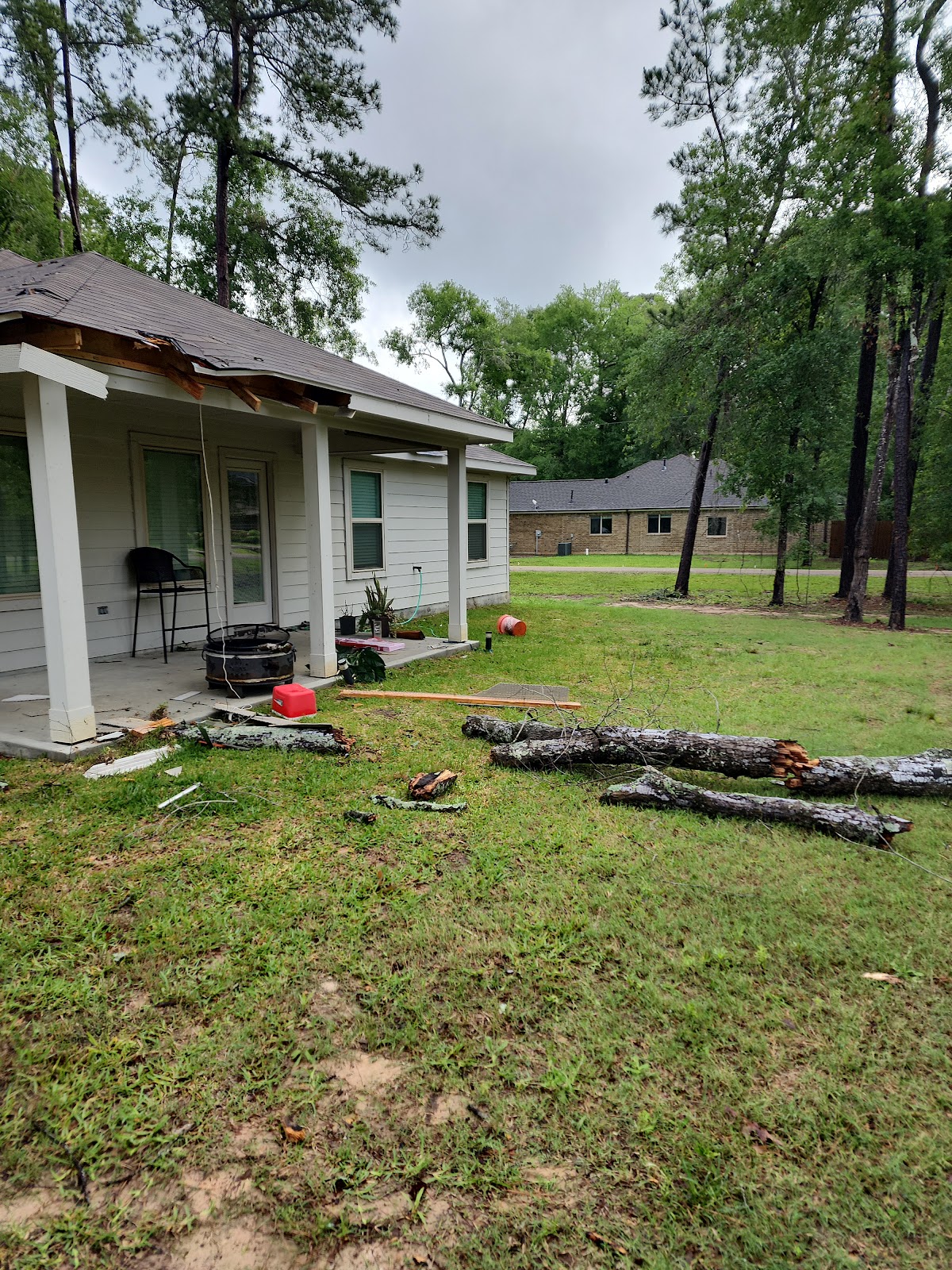
Spring in Texas means hail. We don't get hit every year, but when we do, the damage is immediate and severe. Hail creates dimples and cracks in shingles that look small at first but become entry points for water. Wind events can hit in spring, summer, or fall. We've all seen neighborhoods where one storm lifts shingles or tears them completely off. Your neighbor three blocks away might have no damage while you're missing half your roof.
This isn't something you can prevent, but you can prepare for it. Knowing that hail and wind are regular threats means inspecting your roof after severe weather isn't optional. It's maintenance. Small damage now becomes a leak later, and a leak in a Texas summer can cause mold growth in your attic in days.
Moisture and Humidity Cause Hidden Damage
People think of Texas as dry, but the humidity near the coast and in East Texas is real, and even inland areas get humid in summer. Moisture gets under shingles, under flashing around vents and chimneys, and into the wood underneath. This is where rot starts. You won't see it from the ground. By the time you notice a stain on your ceiling, the damage underneath has usually been building for months.
Proper ventilation in your attic is critical. Hot, humid air trapped up there will rot out your decking and rafters. A ridge vent and soffit vents that actually work will pull that moisture out. If your attic feels hot and damp, that's a sign your ventilation isn't doing its job. This is one place where spending money now saves you thousands later.
What You Can Actually Do
Get on a real inspection schedule. Not when you think something's wrong. Twice a year. Once after spring storms and once in fall. Walk the perimeter of your house with binoculars. Look for missing or lifted shingles, damaged flashing, debris in the gutters, and any discoloration on the roof surface. Gutters clogged with leaves hold water against your roof edge. That water will find its way under shingles and into your fascia.
If you see hail damage or torn shingles, call someone. Don't wait. Texas storms move fast and the next rain could be the one that gets inside. Flashing around vents, chimneys, and skylights fails more often than shingles do. Make sure those seals are intact. If you see caulk that's cracked or missing, that's a problem worth fixing before it becomes a leak.
Consider the material you're using. Not all shingles are created equal. Premium asphalt shingles with better granule adhesion and impact resistance will last longer under Texas conditions. They cost more upfront, but you get more years out of them. Metal roofing handles Texas weather better than asphalt, though it comes with a higher initial cost.
The Right Time to Replace
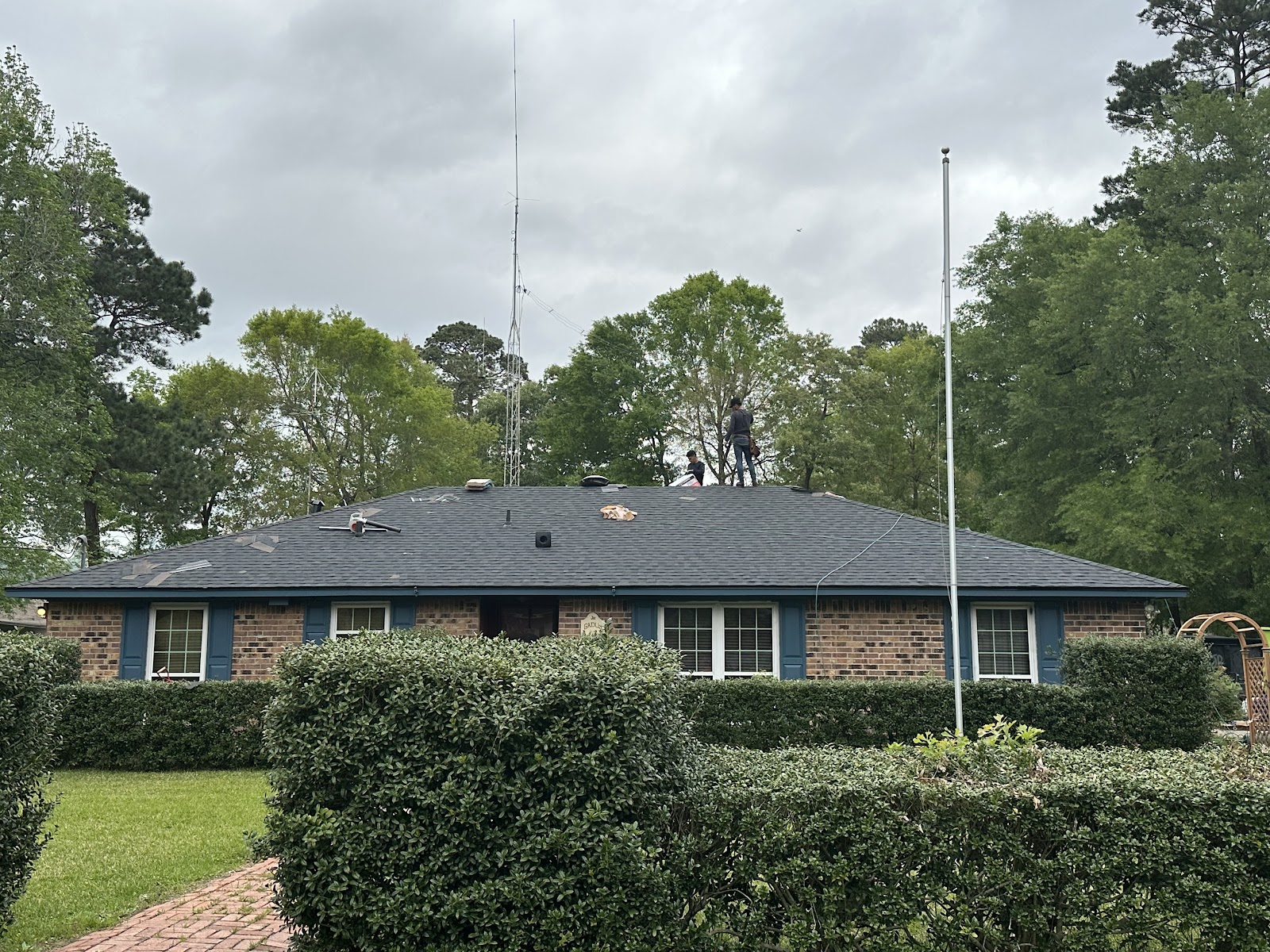
If your roof is over 15 years old and you're seeing curling shingles, faded color, or missing granules, replacement is coming. Don't wait for a leak. Don't wait for the next hail storm. A proactive replacement keeps you ahead of the damage. A reactive replacement means you're dealing with water damage inside your house.
Spartan Roof Construction has worked on roofs across Texas long enough to know exactly what the weather does to different materials and installations. If you're seeing signs of wear or you're past the point where regular maintenance makes sense, call us for an inspection. We'll tell you straight whether your roof has time left or whether replacement makes sense now.