When your roof takes a hit from a storm or starts leaking after years of wear, the first thing most homeowners do is call their insurance company. Then comes the surprise. Your policy might cover the damage, or it might not, depending on what caused it and what's written in your specific contract. Texas homeowners get caught in this gap all the time. You think you're protected, you file a claim, and then the adjuster tells you that wind damage is covered but hail damage has a higher deductible, or that wear and tear is your problem entirely. Understanding what your homeowners insurance actually pays for can save you thousands of dollars and help you make smarter decisions about repairs versus replacement.
How Texas homeowners policies handle roof damage
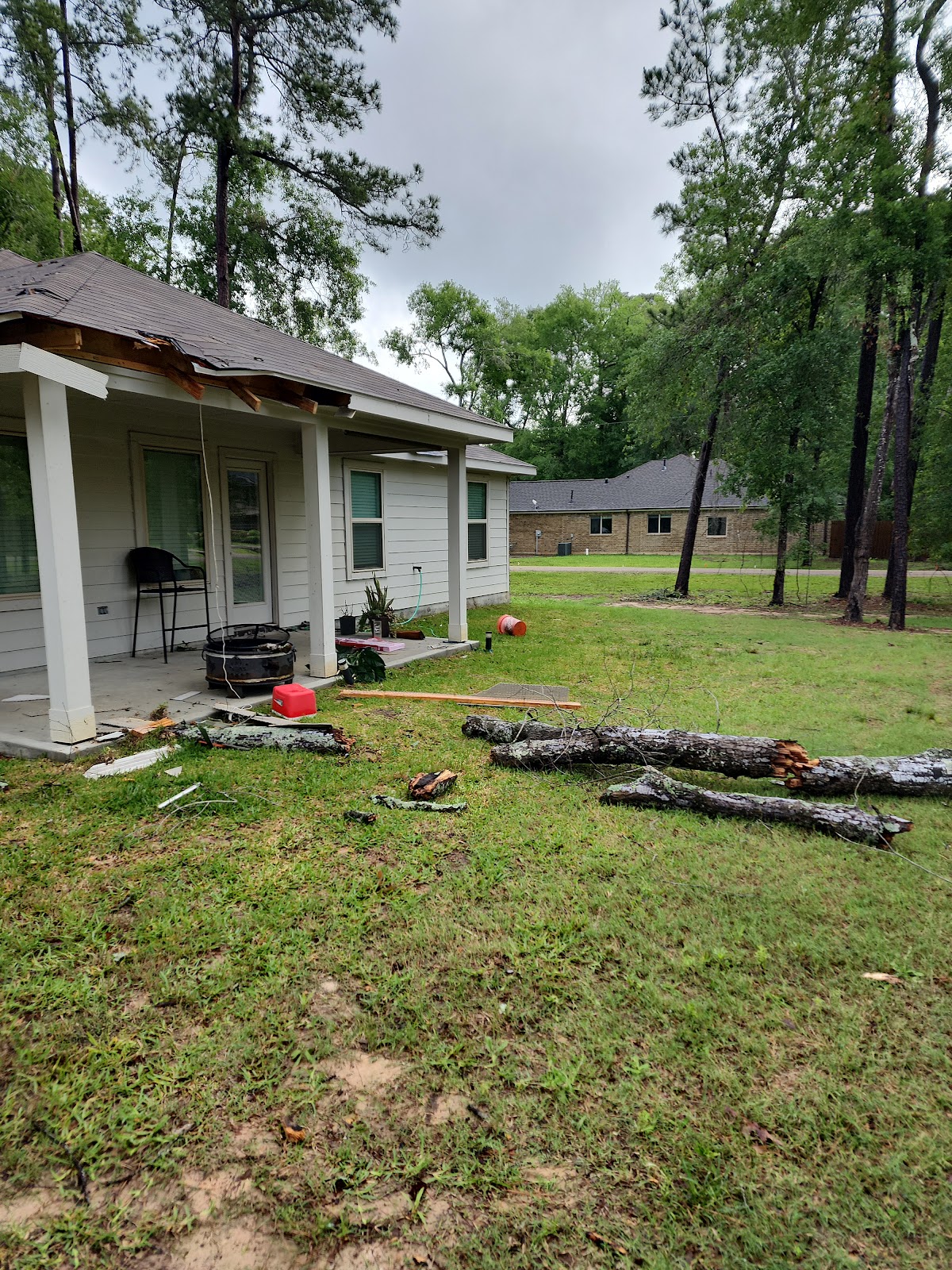
Most standard homeowners insurance policies in Texas cover sudden, accidental damage to your roof. That means if a tree branch falls on it during a storm, or wind rips off shingles, your policy typically picks up the repair cost after you pay your deductible. The key word is sudden. If your roof has been leaking for months because of poor maintenance, insurance won't cover it. The same goes for damage from settling, normal wear and tear, or gradual deterioration. Insurance companies look at the cause, not just the damage itself.
Hail, wind, and the deductible trap
Hail and wind damage claims are common in Texas, and they're also where homeowners often get blindsided. Many policies have a separate, higher deductible for hail and wind damage. Instead of your standard 500 or 1000 dollar deductible, you might face a 5 or 10 percent deductible on the entire claim. If your roof repair costs 15000 dollars, a 10 percent deductible means you pay 1500 dollars out of pocket. Some older policies don't specify hail or wind at all, leaving you guessing about what's actually covered. The best move is to pull out your actual policy document and look for the wind and hail section. Call your agent and ask directly. Don't assume anything.
What insurance won't touch
Insurance companies refuse to pay for damage caused by lack of maintenance. If your gutters are clogged and water backs up under your shingles, that's on you. If your roof is 20 years old and shingles are curling or missing before the storm hit, the adjuster will note that pre-existing condition and reduce or deny your claim. Damage from poor installation also falls outside coverage. If a roofer made mistakes that led to leaks, your insurance won't cover repairs unless you can prove the damage came from a covered peril, not the installation itself. Cosmetic damage, like fading or minor discoloration, is never covered.
The insurance company's inspection process
After you file a claim, an adjuster will come out to inspect your roof. This is where the real negotiation starts. The adjuster's job is to determine whether the damage is covered and how much the repair should cost. They'll take photos, measure the damage, and write a report. Some adjusters are thorough and fair. Others look for reasons to deny or minimize claims. If you disagree with the adjuster's assessment, you have the right to hire your own public adjuster or get a second opinion from a roofing contractor. In fact, many roofing companies in Texas work with insurance claims regularly and can help you understand the adjuster's findings. Don't sign anything from the insurance company until you've had a chance to review the report carefully.
Getting your roof fixed the right way
Once your insurance approves a claim, you still need to pick a roofer who will do the work correctly and communicate with your insurance company if issues come up during the repair. Some contractors will bill your insurance directly. Others want payment upfront and will provide documentation for reimbursement. Make sure you understand the payment arrangement before work starts. Also, if the adjuster approved repair but you want a full replacement because the roof is old or damaged beyond what the claim covers, you'll need to pay the difference yourself. That's where getting a detailed estimate from a local roofer helps. You can see exactly what the repair costs and decide if upgrading to a new roof makes financial sense.
When to file a claim
Not every roof problem warrants an insurance claim. If the repair costs less than your deductible, filing does nothing but potentially raise your premiums. If you have a small leak that you can patch for a few hundred dollars and your deductible is 1000 dollars, skip the claim. But if a storm causes widespread damage across your roof or a tree falls on it, a claim makes sense. Also, document everything with photos and written notes about when you discovered the damage. This backs up your claim and makes the adjuster's job clearer.
Spartan Roof Construction works with Texas homeowners on insurance claims regularly. We can inspect your roof, help you understand what your policy covers, and handle the repair or replacement. If you've had storm damage or suspect an issue with your roof, give us a call. We'll walk you through the process and make sure you get what your insurance owes you.