When you're sitting on your roof on a July afternoon in Texas, the surface temperature can hit 160 degrees or more. That heat travels straight into your attic and then into your home. Your air conditioner has to work harder. Your electric bill climbs. Most homeowners don't think about roof color until they need a new roof, but the color you choose affects how much you pay to cool your house every single month, and it matters when you sell. A light-colored roof can cut your cooling costs by 10 to 15 percent compared to a dark one. That's real money over time, and buyers notice it too.
Dark Roofs Cost You in Texas Heat
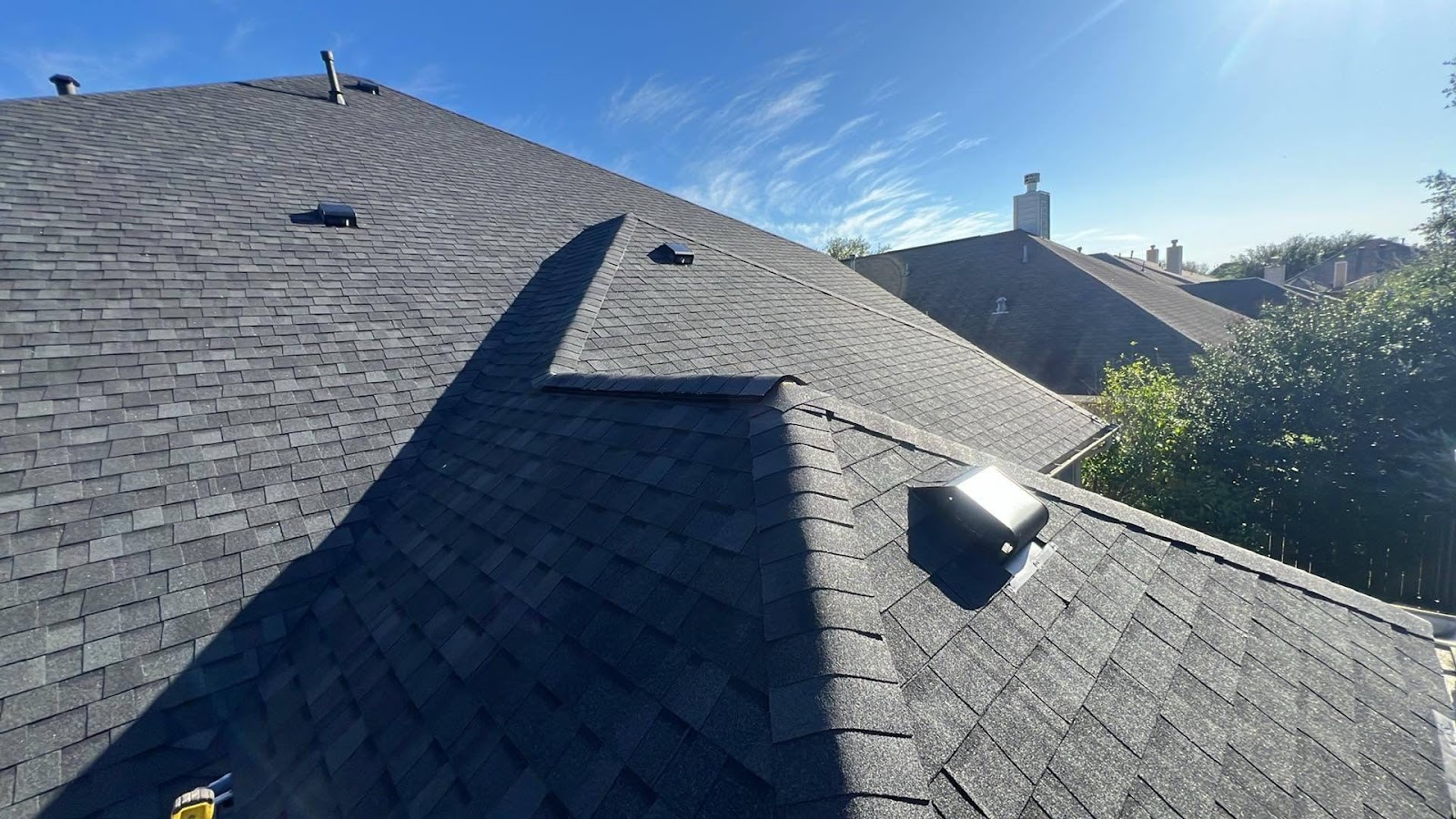
A dark roof, especially black or dark brown asphalt shingles, absorbs the sun's energy. In Texas, that means your roof surface becomes a heat collector from April through October. The heat radiates down into your attic space, and your HVAC system has to compensate. If your attic isn't perfectly sealed and insulated, that hot air finds its way into your living space. You run the AC longer. The compressor cycles more. Your energy bill reflects it. Over 20 years, a dark roof can cost you thousands in extra cooling costs, depending on your local utility rates and how much sun your roof gets.
Dark roofs do have one advantage: they hide dirt and algae growth better than light colors. They also look sleek and modern to some buyers. But in a Texas summer, the energy trade-off is steep.
Light Roofs Reflect Heat and Lower Your Cooling Load
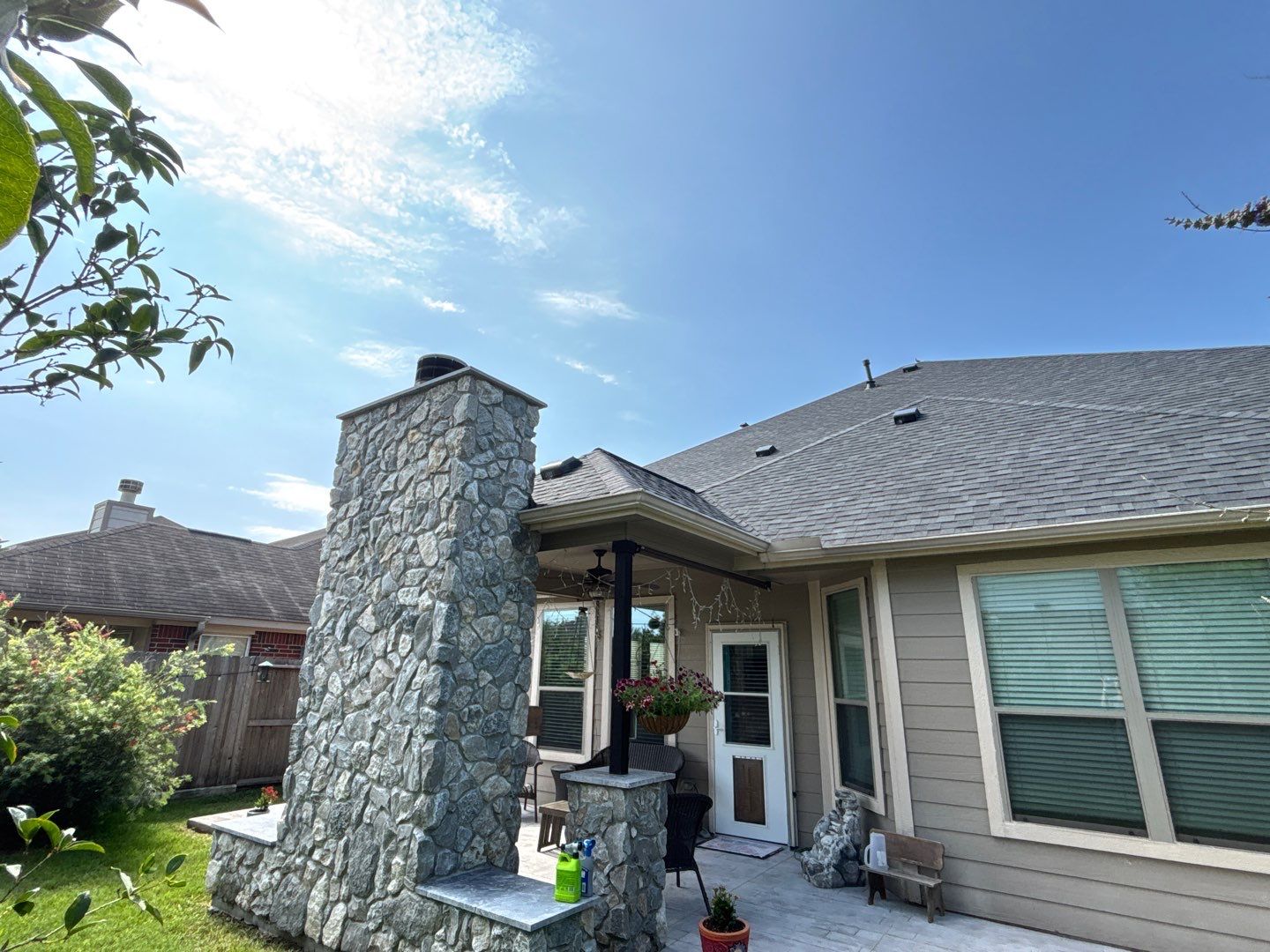
Light-colored roofs, including white, light gray, light tan, and light green, reflect more of the sun's radiation back into the atmosphere instead of absorbing it. This is called albedo. A white metal roof can have an albedo of 0.60 or higher, meaning it reflects 60 percent or more of incoming solar radiation. Even light-colored asphalt shingles reflect more than dark ones. Your attic stays cooler. Your indoor temperature doesn't spike as much during the hottest parts of the day. Your air conditioner doesn't have to run as hard or as long.
The cooling savings are measurable. Homeowners in hot climates who switch from dark to light roofs often see a 5 to 15 percent drop in summer cooling costs. In Texas, where AC is a necessity for eight months of the year, that adds up. A light roof also helps if you have solar panels, since a cooler roof surface keeps panels running more efficiently.
One concern homeowners raise is visibility of dirt and stains on light roofs. That's real. Light roofs show dust, pollen, and algae growth more easily than dark ones. You may need to schedule cleaning every few years in humid areas of Texas. The long-term energy savings still typically outweigh the maintenance cost.
Resale Value and Buyer Expectations
When you list your home, buyers are thinking about their own utility bills. A light roof signals lower energy costs. In Texas, where summer cooling is a major household expense, a light-colored roof is an asset. Appraisers and real estate agents know this. A home with a light, well-maintained roof often appraises slightly higher than an identical home with a dark roof, all else equal. The difference isn't huge, maybe 1 to 3 percent, but it's there.
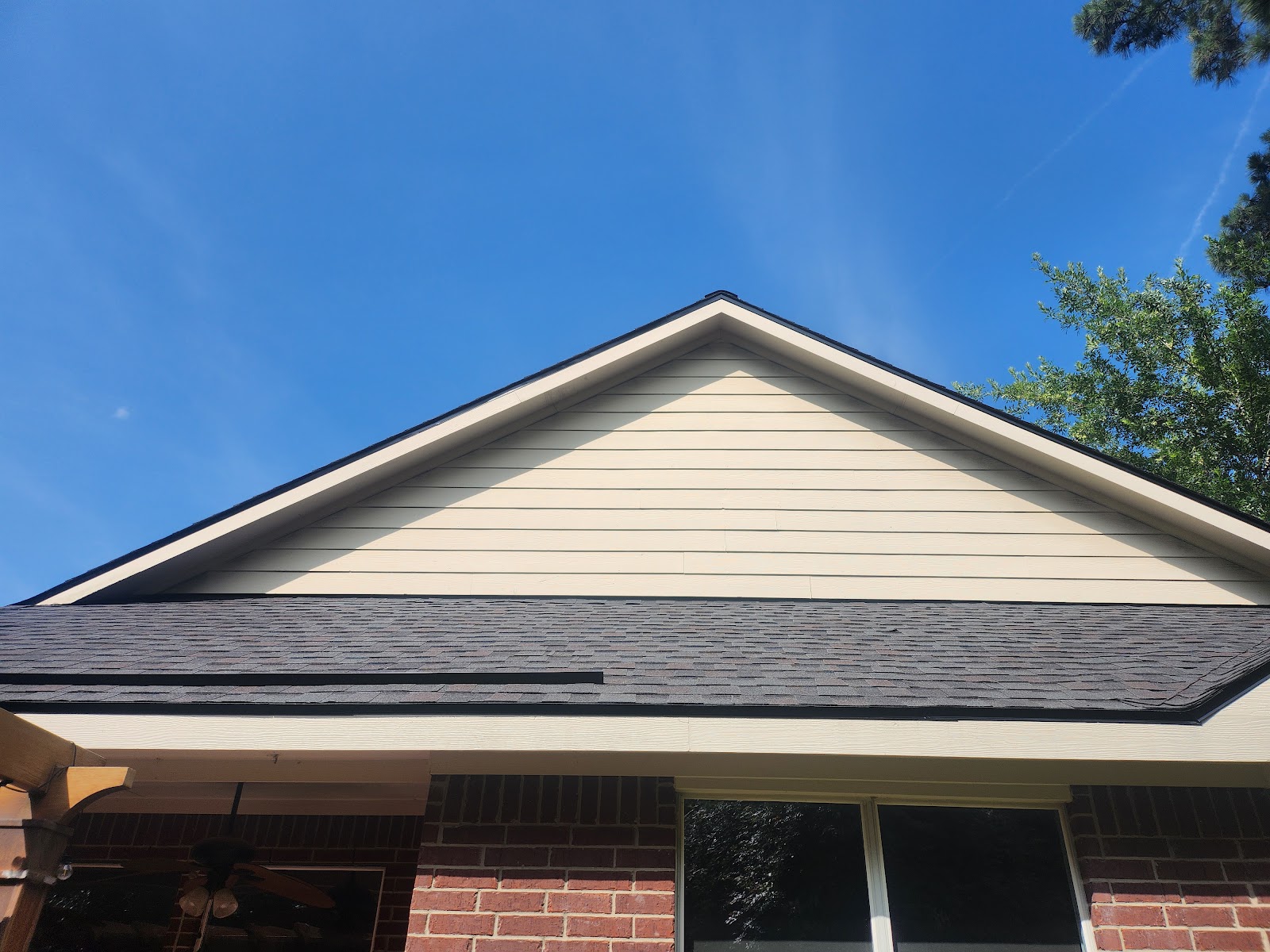
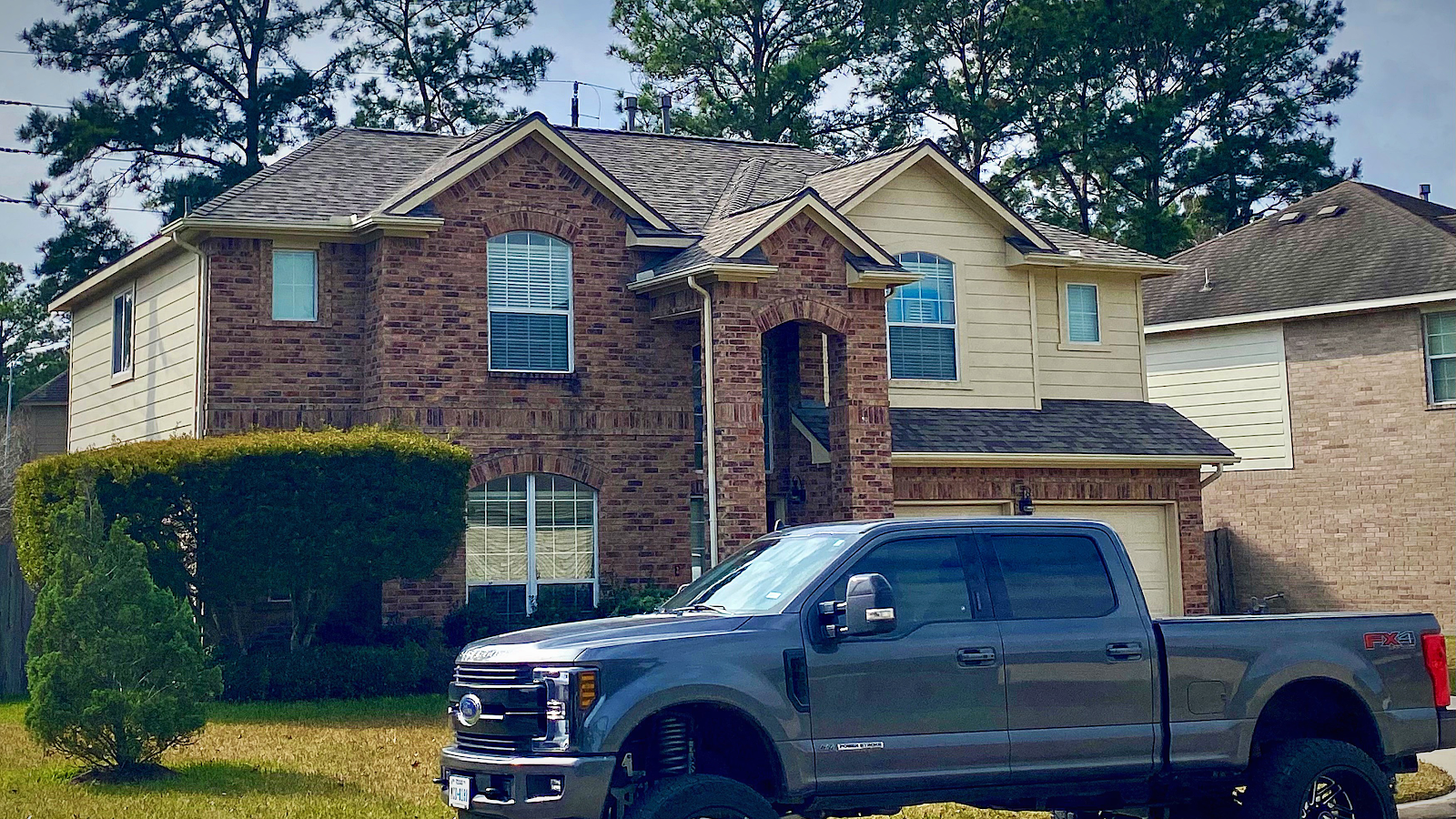
Buyers also consider curb appeal and style. Some neighborhoods and home styles suit dark roofs better. A contemporary home might look better with a dark gray metal roof. A ranch or cottage-style home might suit light tones. The market in your area matters. If you're in an older neighborhood where most roofs are dark, a white roof might stand out too much. In newer developments in suburban Texas, light roofs are more common and expected.
The best strategy is to choose a light color that fits your home's architecture and your neighborhood's character. You get the energy benefit and the resale advantage without looking out of place.
Material Choices Matter as Much as Color
The roofing material you pick affects how well color actually performs. Asphalt shingles are the most common and affordable option. Light-colored asphalt shingles reflect some heat, but they're not the most reflective material. Metal roofing, especially standing seam metal in white or light colors, is far more reflective and durable. Metal roofs last 40 to 70 years compared to 15 to 25 years for asphalt. The higher upfront cost pays back through energy savings and longevity.
Clay tiles and concrete tiles come in light colors too. They're heavy, which limits installation options, but they're extremely durable and reflect heat well. In Texas, metal and asphalt are the most practical choices for most homes.
Whatever material you choose, make sure it's installed correctly. Poor ventilation in the attic can cancel out the benefits of a light roof. Spartan Roof Construction can assess your attic ventilation and help you pick the right material and color combination for your home and budget.
Getting It Right the First Time
Your roof is a 15 to 40 year investment depending on material. The color choice affects your comfort, your utility bills, and your home's value. Light colors make sense in Texas. They're practical, they save money, and they appeal to buyers. When you're ready to replace your roof, call Spartan Roof Construction and talk through the options. We'll help you find a color and material that works for your home and your wallet.