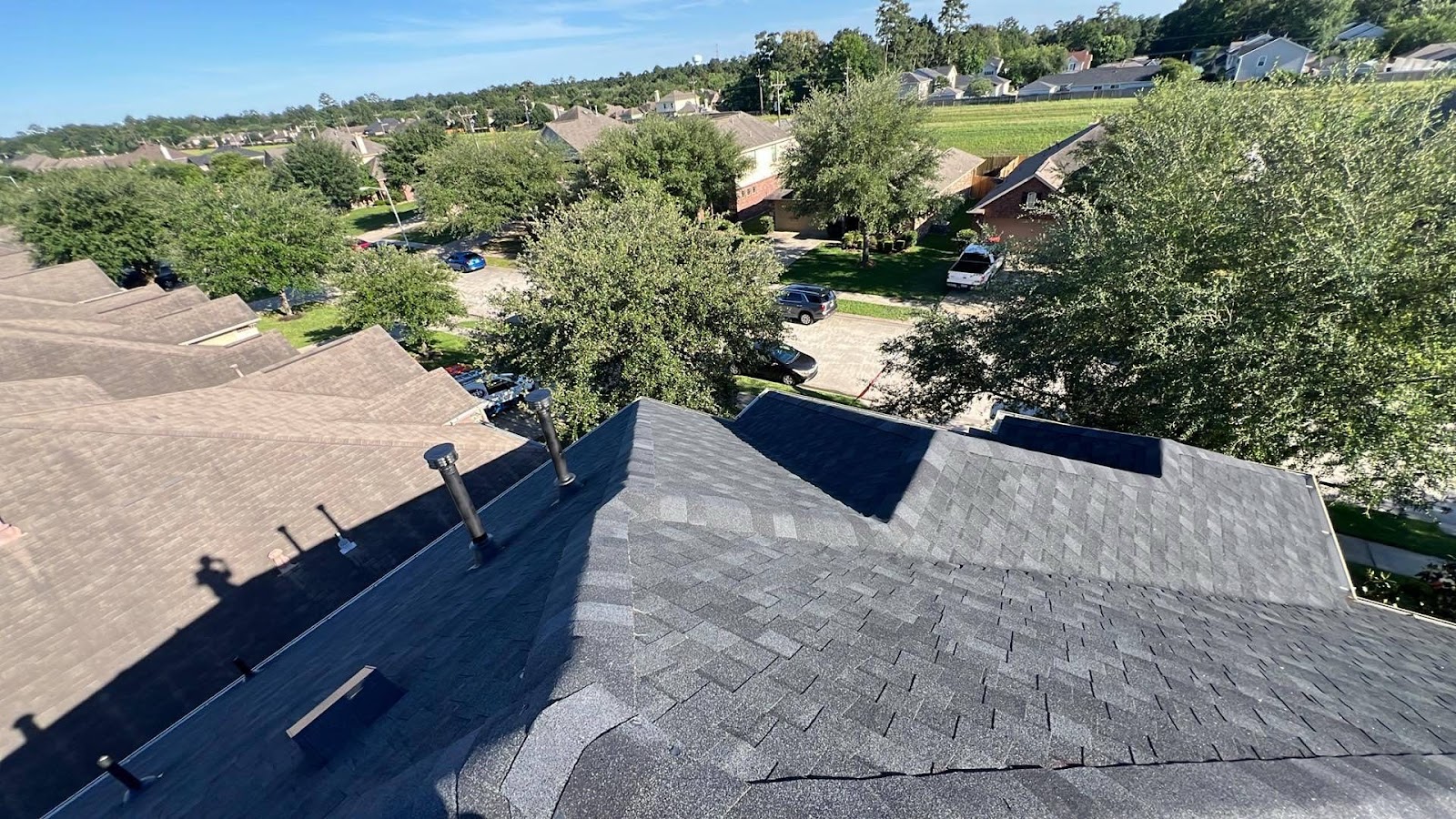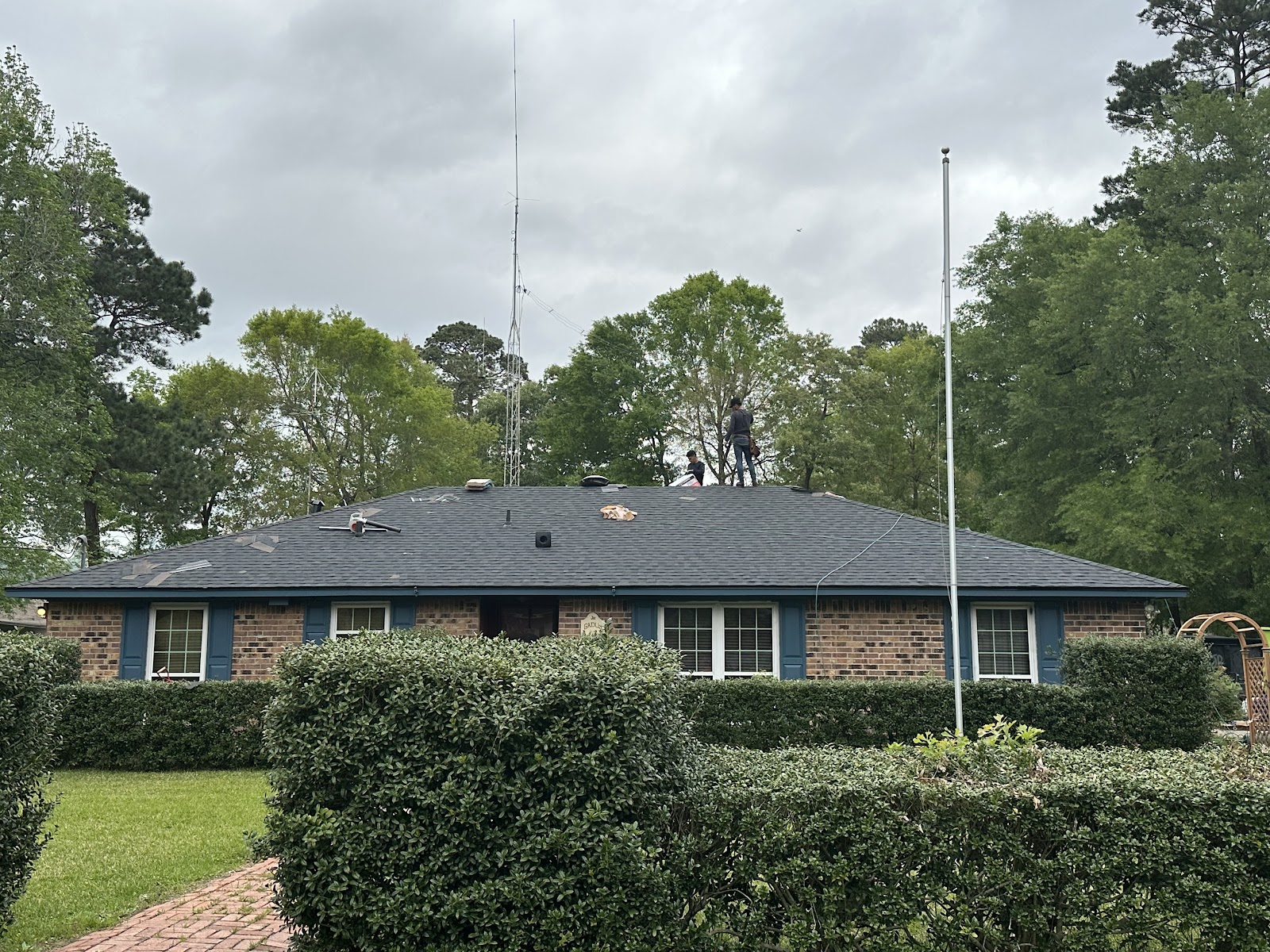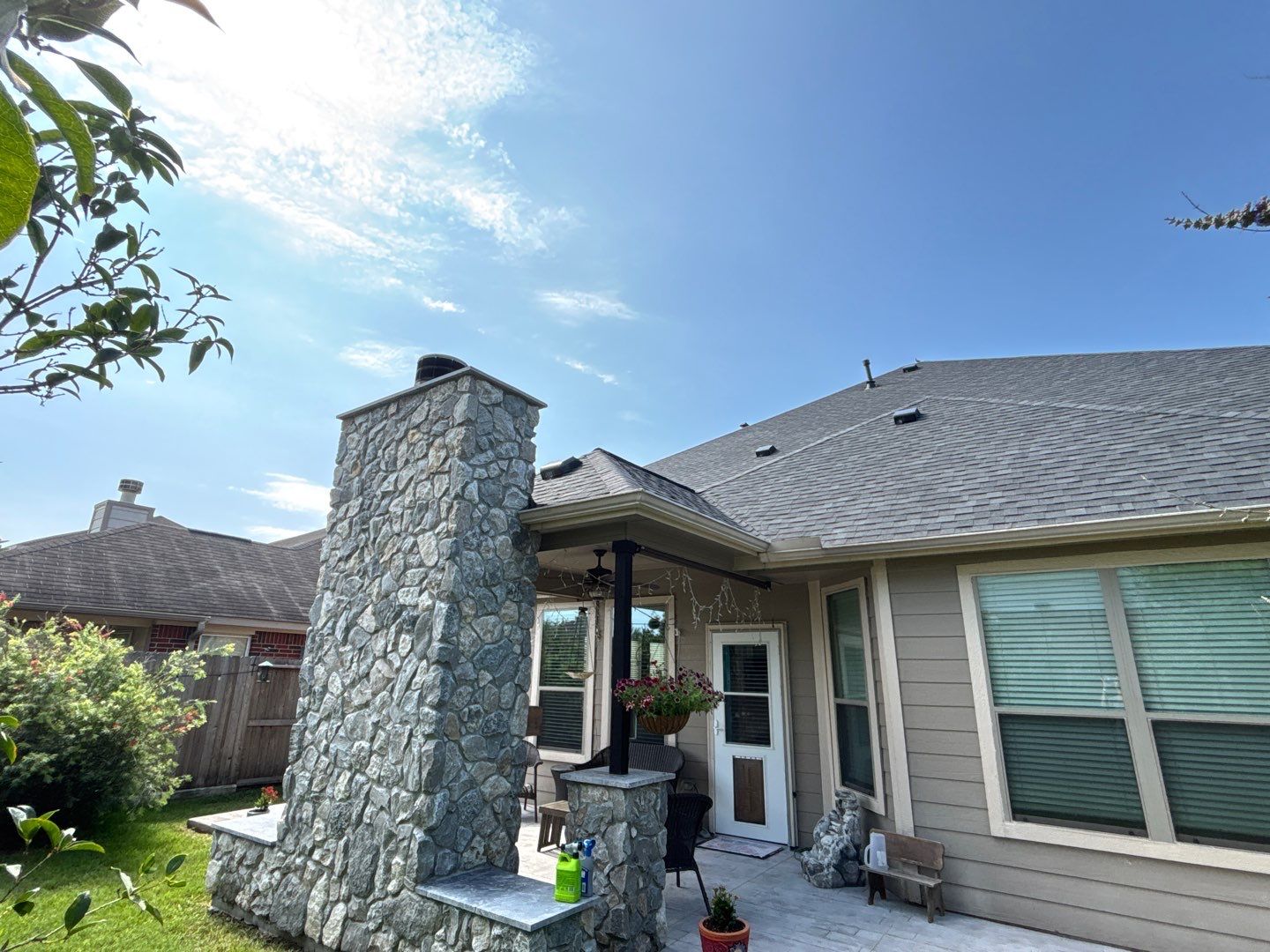
After a bad storm, you're standing in your yard looking up at your roof and wondering if you're about to drop five or six figures on a new one or if a contractor can patch things up for a few hundred dollars. That's the question that keeps most homeowners up at night. The truth is that storm damage comes in different grades, and knowing which one you're dealing with will save you money and headaches. A few missing shingles might be fixable. A sagging roof deck or widespread leaks that trace back to structural damage usually means replacement is the only real option.
Check for visible shingle damage first
Start with what you can see from the ground or a safe ladder position. Look for shingles that are missing, curled, or torn. A few shingles missing in one spot, especially if they're in a lower-visibility area, is typically a repair job. You're looking at a roofer replacing that section, and you're done in a day. If the damage is scattered across multiple roof planes or whole sections are missing, that's different. Storm winds can peel shingles off in strips, and if that's what happened to you, the underlying felt or underlayment is now exposed to weather. That's when repair becomes less sensible than replacement.
Pay attention to the color and condition of the shingles around the damaged area too. If your roof is ten years old or older and the shingles look weathered, brittle, or faded, your roofer may recommend replacement even if the storm damage itself looks minor. Mixing new shingles with old ones creates a patchwork that won't weather evenly, and you'll be back out there in a few years fixing something else.
Look for signs of water inside
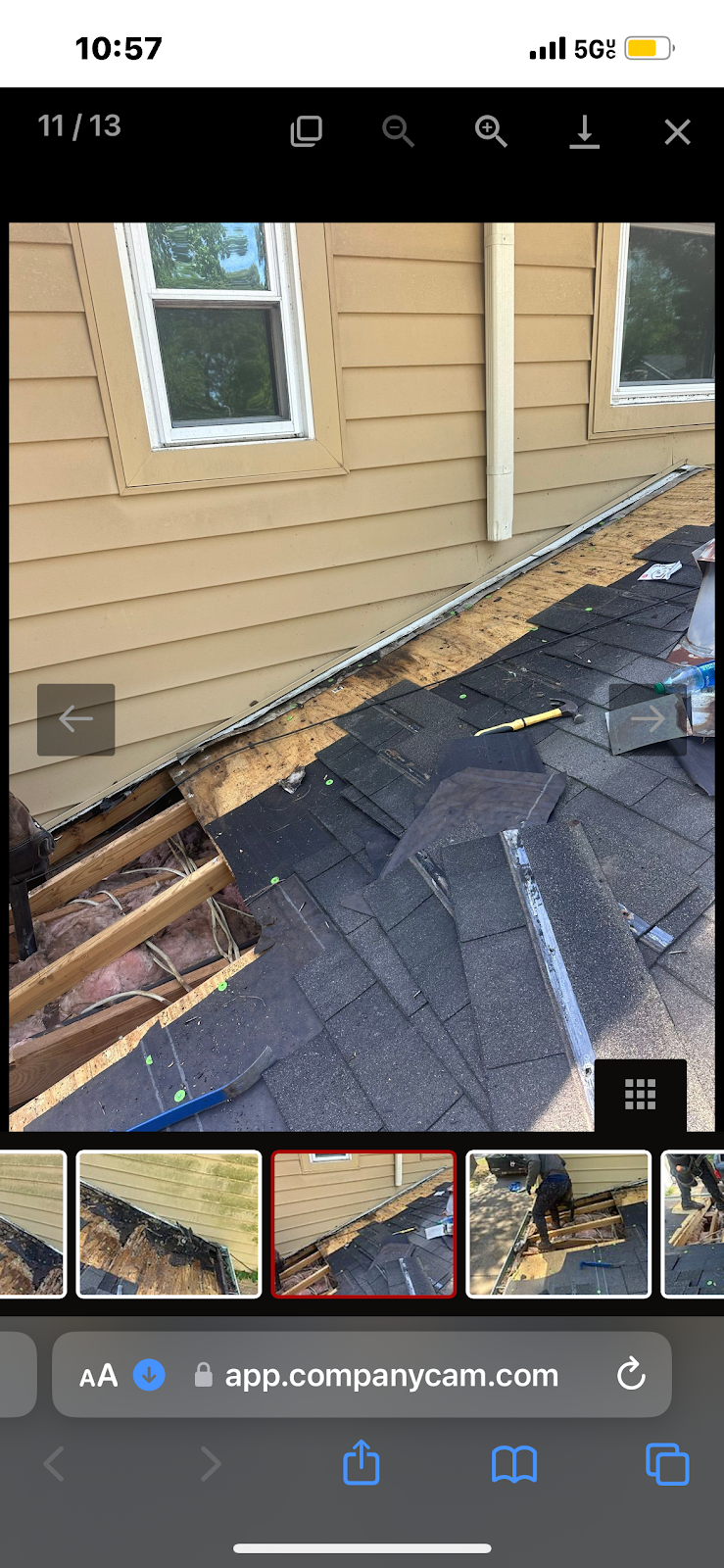
Water stains on your ceiling or attic rafters are a red flag that goes beyond surface damage. If you're seeing dark marks or soft spots in drywall or insulation, water has been getting in for at least a few days. Storm damage that causes leaks often means the underlayment or roof deck itself has been compromised. A simple shingle replacement won't fix that. You need to know what's underneath, and that usually requires a roofer to get up there and inspect the structure.
Check your attic during daylight if you can. Look for light coming through the roof deck, wet insulation, or visible rot in the wood. These are signs that the damage is structural, not cosmetic. A repair might temporarily stop the leak, but you're not solving the root problem. Replacement becomes the smarter choice because you're starting fresh with a sound structure underneath.
Assess the extent of damage across the roof
One storm can hit different parts of your roof differently. Maybe one side took the brunt of the wind while the other side stayed relatively intact. If damage is concentrated in one area, repair makes sense. If it's spread across thirty or forty percent of your roof surface, you're in replacement territory. Roofers will often recommend replacement if more than twenty-five percent of the roof needs new material because the cost difference shrinks and you get a uniform new roof instead of a patchwork.
Also consider the age of your roof. Most asphalt shingle roofs last twenty to twenty-five years in Texas heat. If your roof is past fifteen years and a storm has damaged it, replacement is usually the better investment than throwing repair money at an aging system. You're going to replace it soon anyway, and a storm might be the push you need to do it now while insurance might help cover some of the cost.
Wind damage versus hail damage versus fallen debris
Wind typically tears or lifts shingles. Hail leaves dimples or punctures in the shingle surface. Fallen tree limbs create obvious punctures or holes. These damage types matter because they tell you different things about what needs fixing. A tree limb through your roof is almost always a replacement scenario because the deck underneath is compromised. Hail damage across multiple shingles might be repairable if the shingles aren't punctured all the way through, but if you can see daylight through the holes, replacement is the answer.
Wind damage in a small section is often repairable. Widespread wind damage across the whole roof usually isn't worth patching piecemeal. You'll spend nearly as much repairing as you would replacing, and the repair won't last as long.
Get a second opinion from a licensed roofer
Don't guess on this. Call a roofer out to inspect the damage properly. A good contractor will climb up there, look at the structure, check the underlayment, and give you a straight answer about whether repair or replacement makes sense. If a roofer is pushing replacement when you have a few missing shingles, get a second opinion. If two roofers both tell you the damage is structural, believe them.
Spartan Roof Construction can send someone out to assess your storm damage and walk you through your real options. Call us today to schedule an inspection.