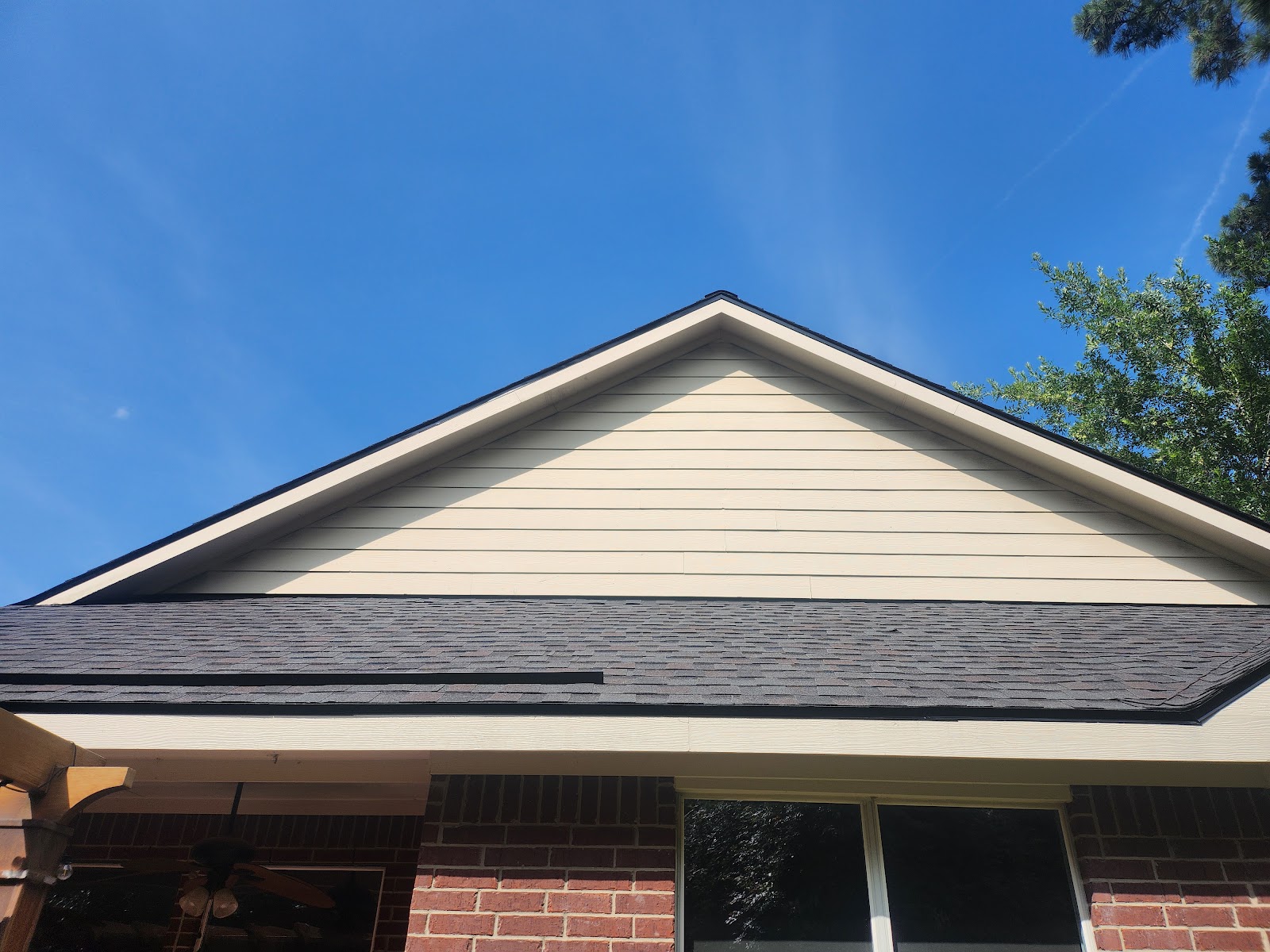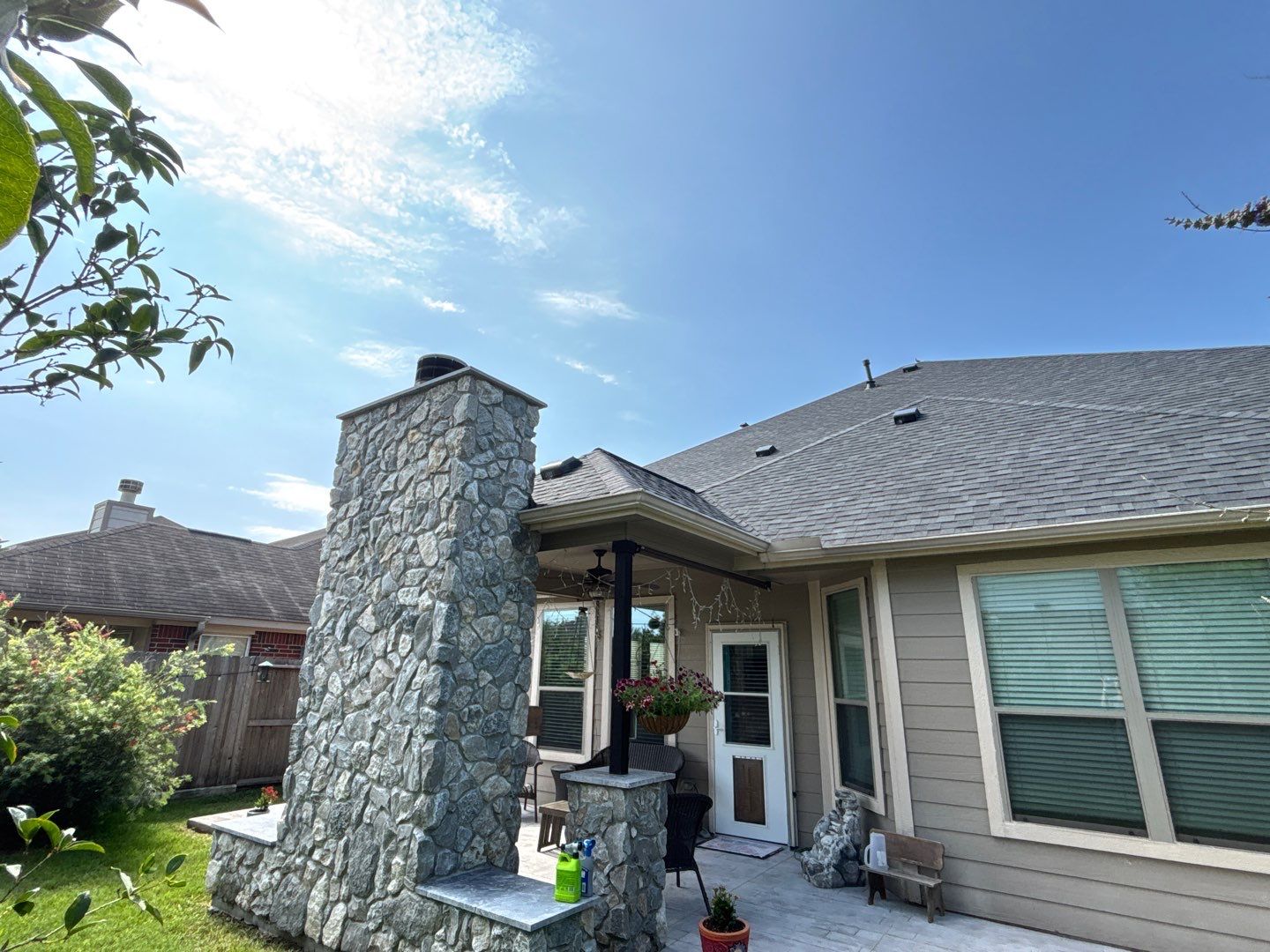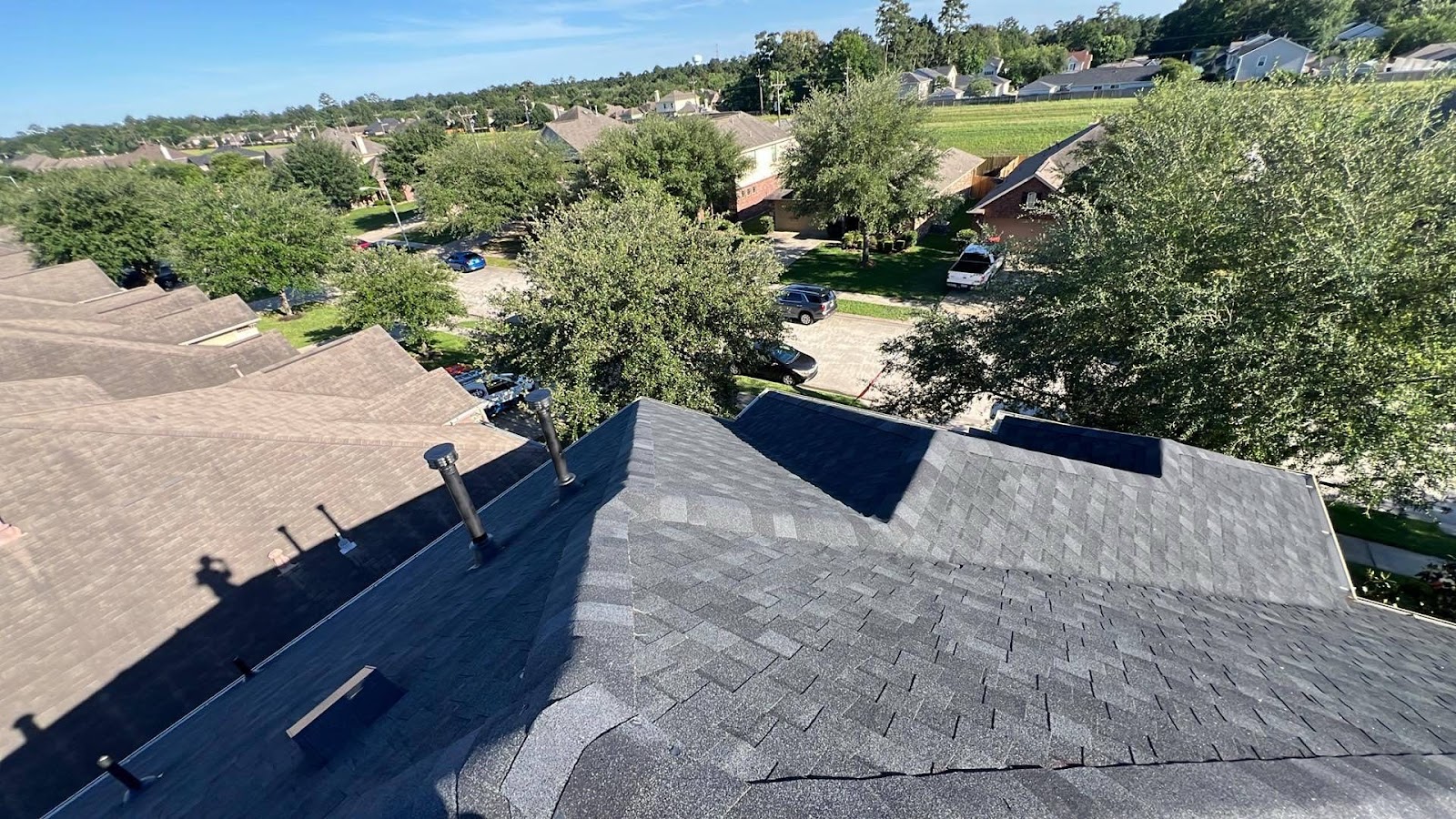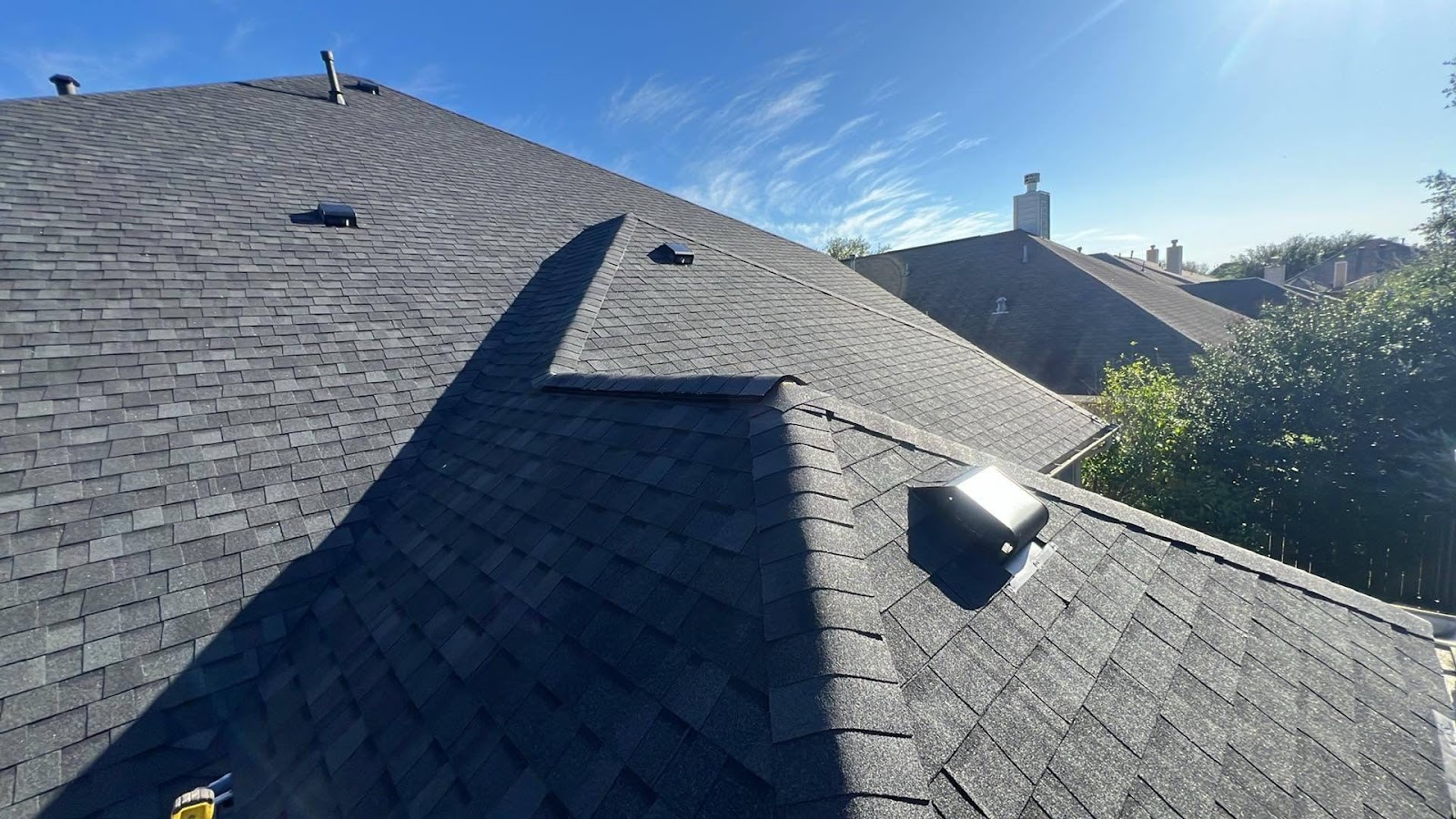
When you get a quote for a new roof, you'll likely see the words "TAMKO certified" somewhere in the paperwork. It sounds official, and it is, but most homeowners don't actually know what that certification does or doesn't do for them. The short answer is this: TAMKO certification means the installer has been trained and approved by TAMKO, one of the largest roofing manufacturers in North America, to install their shingles the right way. That matters because a manufacturer's warranty is only as good as the installation underneath it. A bad install can void your warranty faster than almost anything else. At Spartan Roof Construction, we're TAMKO certified, and understanding what that means will help you know what you're actually getting when you hire us.
The warranty connection is real, but it has limits
Your roof's warranty has two parts: the material warranty from TAMKO, and the workmanship warranty from your installer. TAMKO's material warranty covers defects in the shingles themselves, usually for 25 to 30 years depending on the product line. But here's the thing: that warranty only applies if the shingles were installed correctly. If an installer cuts corners on ventilation, nails placement, flashing, or underlayment, TAMKO can and will deny claims. Being TAMKO certified means we've been through their training and we know exactly what "correct installation" looks like according to their standards. That protects you because if something does go wrong with the shingles, we can document that we installed them to spec. It doesn't make us perfect, but it means you're not starting from a position where the manufacturer assumes the installer messed up.
What TAMKO certification actually requires
To get certified, an installer has to complete TAMKO's training program, pass a test, and stay current with updates. It's not a one-time thing. We have to maintain our certification, which means staying informed about product changes and staying accountable to TAMKO's standards. The training covers the specifics of their different shingle lines, regional climate considerations, and the installation methods that matter most. In Texas, that includes understanding how heat and sun exposure affect shingle performance, proper attic ventilation in humid climates, and how to handle the wind loads we see in our area. The certification shows we've invested in knowing our product and our region, not just that we can swing a hammer.
What TAMKO certification doesn't do
Here's what matters just as much to understand: certification doesn't mean we're the only option for a quality roof. There are other good manufacturers like GAF, IKO, and Owens Corning, and many of their installers are equally skilled. Certification also doesn't mean we're cheaper or that you have to use TAMKO shingles. Some customers choose different products for aesthetic or budget reasons, and that's fine. What the certification does mean is that if you do choose TAMKO shingles with us, you're getting an installer who knows that product line inside out and who has the training to back up the warranty. It's not a guarantee that your roof will never need repairs. Weather happens. Hail happens. What it does mean is that if a claim comes up, we've done the work correctly and we can prove it.
The real-world difference in your roof's lifespan
A properly installed roof with proper ventilation, correct flashing, and the right underlayment lasts longer and performs better than one that cuts corners. We've seen roofs installed by uncertified contractors fail in 10 to 15 years, while TAMKO-installed roofs with the same shingles go 25 years or more. The difference isn't magic. It's attention to the details that don't show: the ice and water shield placement, the starter strip alignment, the nail spacing, the way we handle valleys and penetrations. These things don't photograph well and homeowners don't see them, but they determine whether your roof sheds water cleanly or traps it. Being TAMKO certified means we're trained to get those details right every single time.
How to verify our certification and what to ask us
If you're getting quotes, ask any contractor to show you their TAMKO certification. It should be current and easy to verify. Ask us what specific training we've completed and whether we've handled roofs in conditions similar to yours. Ask about the underlayment we use, how we handle ventilation, and what our warranty covers beyond TAMKO's material warranty. A good certified installer should be able to walk you through these specifics without hesitation. We can do that because we've done the work and we stand behind it.
When you're ready to talk about a new roof or repairs, call Spartan Roof Construction. We'll explain exactly what TAMKO certification means for your project and what we can deliver.