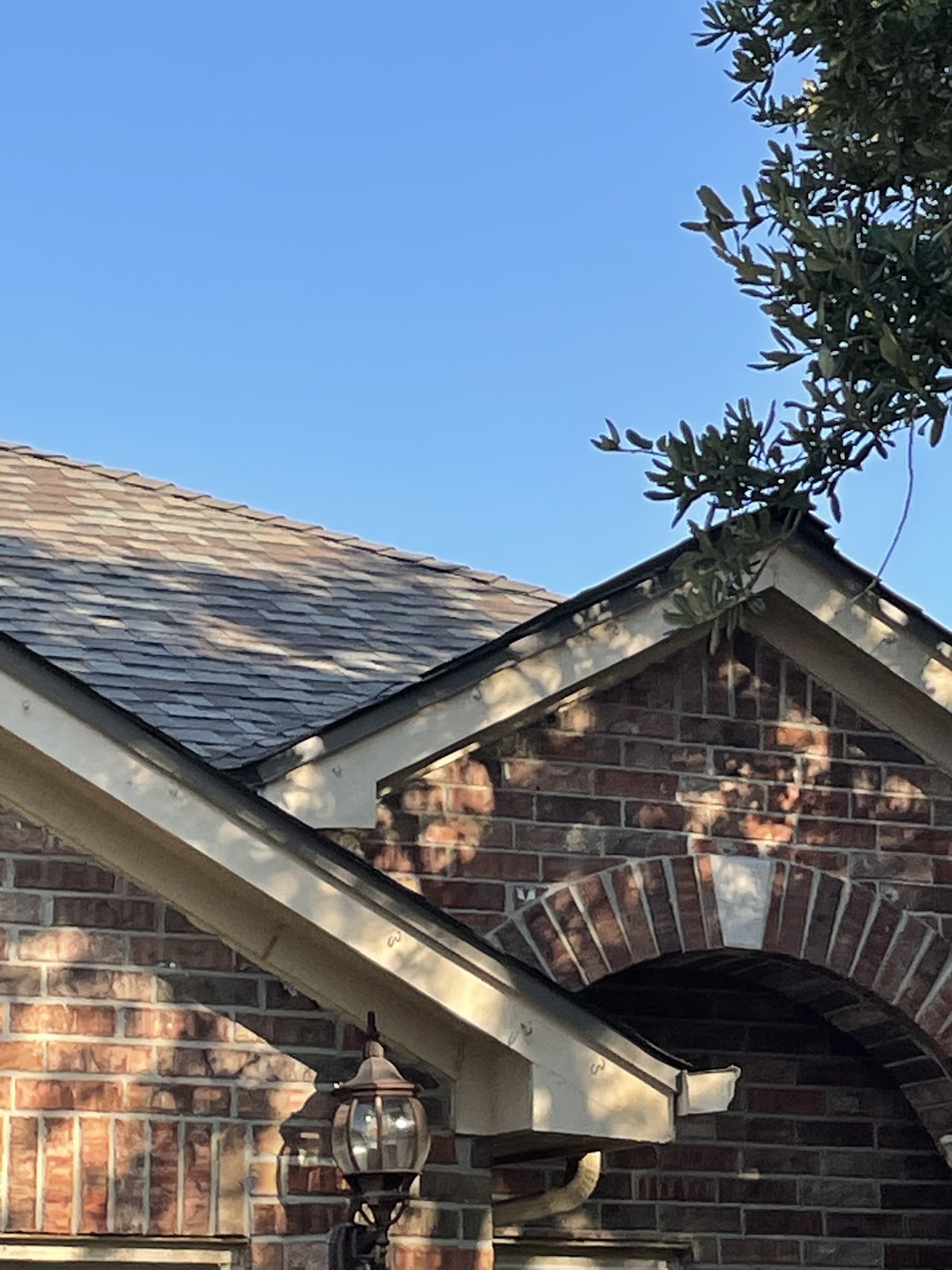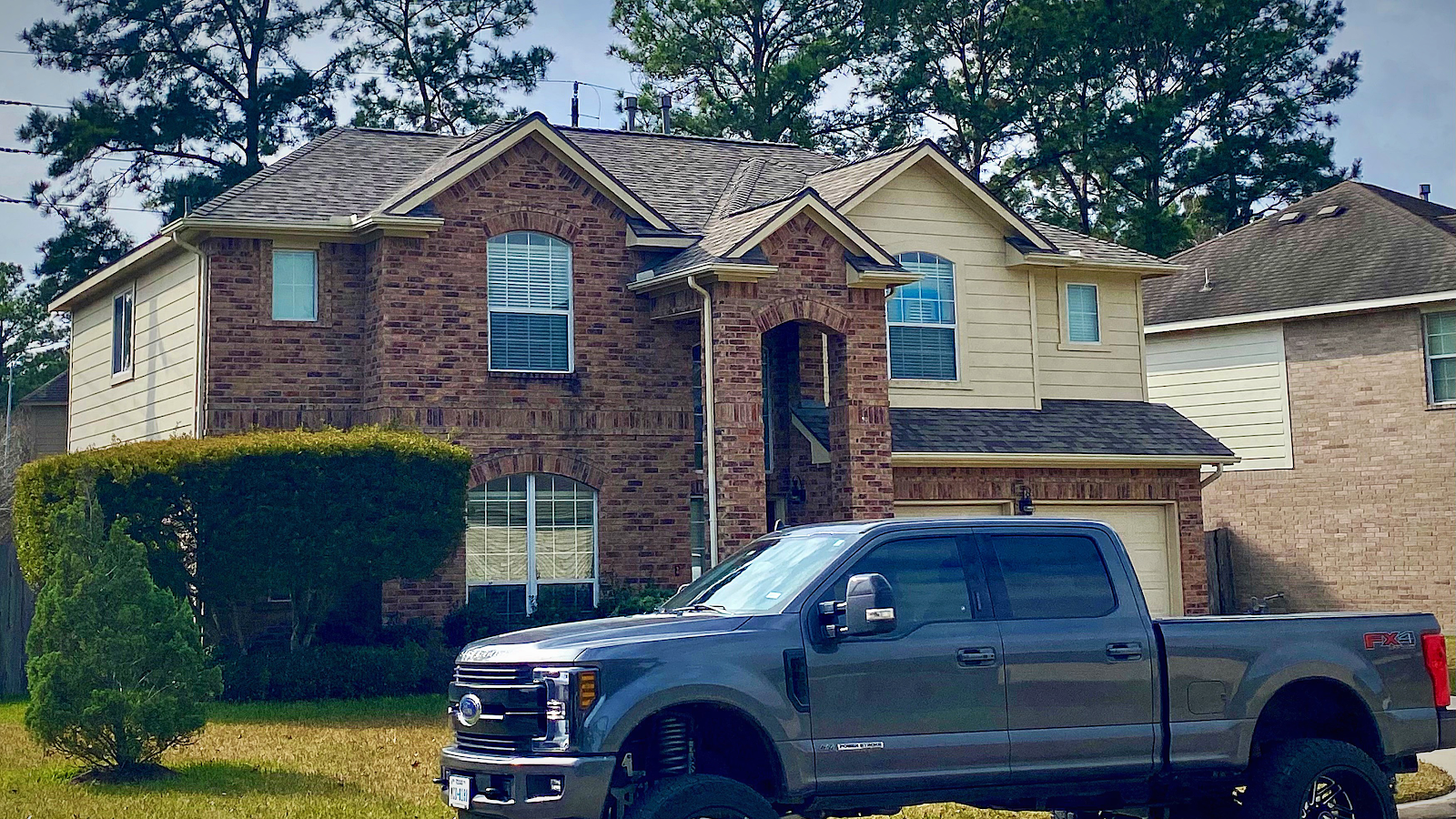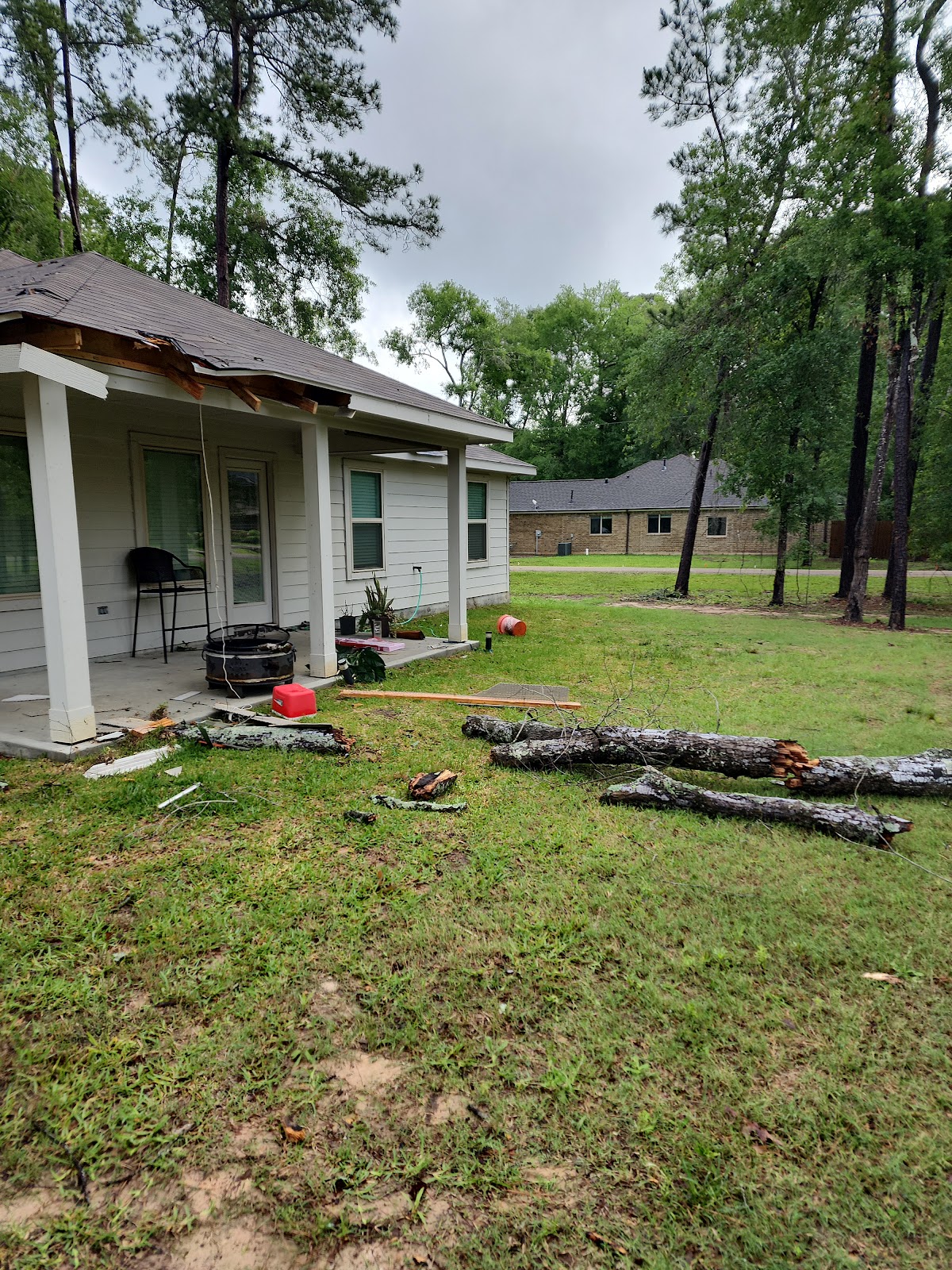
A roof replacement in Texas typically takes three to seven days, depending on the size of your house, the complexity of the job, and the weather. Most single-story homes around 2,000 square feet finish in three to four days. Two-story homes or those with multiple roof lines, dormers, or steep pitches run longer. Summer heat and afternoon thunderstorms can add days to the timeline. The work itself is straightforward, but Texas weather doesn't always cooperate, and we won't rush through a job just to beat the clock.
Day One: Tear-Off and Prep
The first day is the loudest and messiest. Your crew shows up early, sets up safety equipment and dumpsters, and starts removing the old shingles. This is where you hear the nail gun and see debris flying. We typically start at the roof peak and work downward, pulling off everything down to the wooden decking. On a 2,000-square-foot roof, this can take six to eight hours. We'll inspect the decking as we go, looking for soft spots or water damage that the old roof hid. If we find rotted wood or structural issues, we flag it and talk to you about repairs before moving forward. By end of day one, your old roof is gone and we've swept the decking clean.
Day Two: Repairs and Underlayment
If the decking is solid, day two moves fast. We replace any damaged wood, install new drip edge along the eaves and gables, and roll out the underlayment. In Texas, we typically use a synthetic underlayment that handles humidity and heat better than felt. This layer goes down in strips and overlaps like shingles. We nail or staple it down, then install metal flashing around any chimneys, vents, or skylights. Flashing is critical in Texas because we get heavy rains, and water will find any gap it can. On a straightforward roof, this takes most of the day. On a roof with multiple penetrations or a complex layout, it might stretch into day three.
Day Three: Shingle Installation Begins
This is when your new roof actually starts to look like a roof. We start at the eaves and work upward, laying down starter shingles, then the field shingles in straight rows. The heat in Texas makes this job harder than it looks. Shingles are stiff when it's hot, and the asphalt backing gets soft. We work methodically to keep lines straight and nails driven at the right depth. A crew of three to four can lay between 15,000 and 20,000 square feet of shingles in a day, depending on complexity. On day three, you'll see maybe 40 to 60 percent of the roof covered. The work is visible progress, and the house starts to feel protected again.
Day Four: Finishing the Field
Day four is more of the same, but faster because the crew hits a rhythm. They finish the main field of shingles and move into the trickier sections around gables, dormers, and any roof lines that change direction. This is where precision matters. We cut and fit shingles to match the angles and make sure water sheds properly. By the end of day four, the shingles are down and the roof is weathertight. Any roof that will take five to seven days usually hits a complexity wall here, meaning lots of valleys, multiple roof sections, or a steep pitch that slows work.
Final Days: Cleanup and Inspection
On the last day or two, we handle the details. We install ridge cap shingles along the peak, make sure all flashing is sealed and caulked properly, and do a final walkthrough with you. We sweep up debris, haul away the dumpster, and power-wash the driveway if needed. We'll show you any issues we found during tear-off and how we addressed them. A good crew also checks that gutters are clear and that no nails or debris got left behind.
What Slows Things Down in Texas
Heat is the biggest factor. We don't install shingles when it's over 85 degrees in the shade because the asphalt becomes too soft to nail properly. In summer, we start very early and might finish by early afternoon. Afternoon thunderstorms can shut us down for the day. Rain means we can't lay shingles, and we won't work on a wet roof. If your home has a steep pitch or a lot of architectural detail, the job takes longer just because of the geometry. Old roofs with multiple layers underneath add tear-off time. Structural damage found during tear-off means framing repairs before we can move forward.
Planning Around the Timeline
If you're replacing your roof, schedule it in spring or fall when the weather is more predictable. Give us a clear week even if we think we'll finish in four days, because weather happens. Make sure we have safe access to your roof and that your yard is clear of obstacles. If you have questions during the work, ask them. A good contractor walks you through what's happening and explains any surprises.
Spartan Roof Construction has handled thousands of Texas roofs in all kinds of conditions. If you're ready to replace your roof and want to know exactly what to expect, give us a call. We'll come out, look at your roof, and give you a real timeline based on what we find.